
Oracle shares on pace for worst quarter since 2001 as new CEOs face concerns about AI build-out
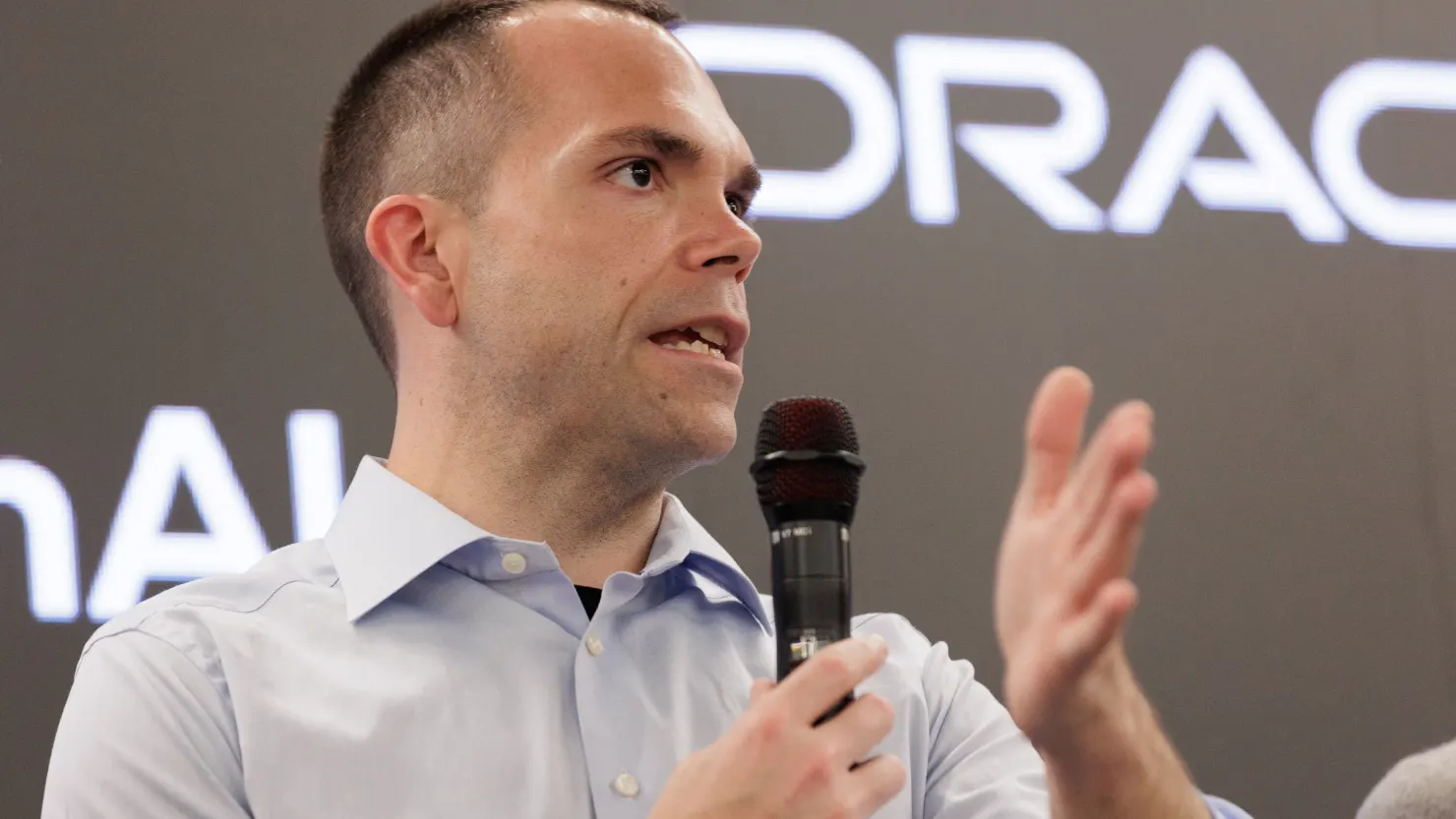
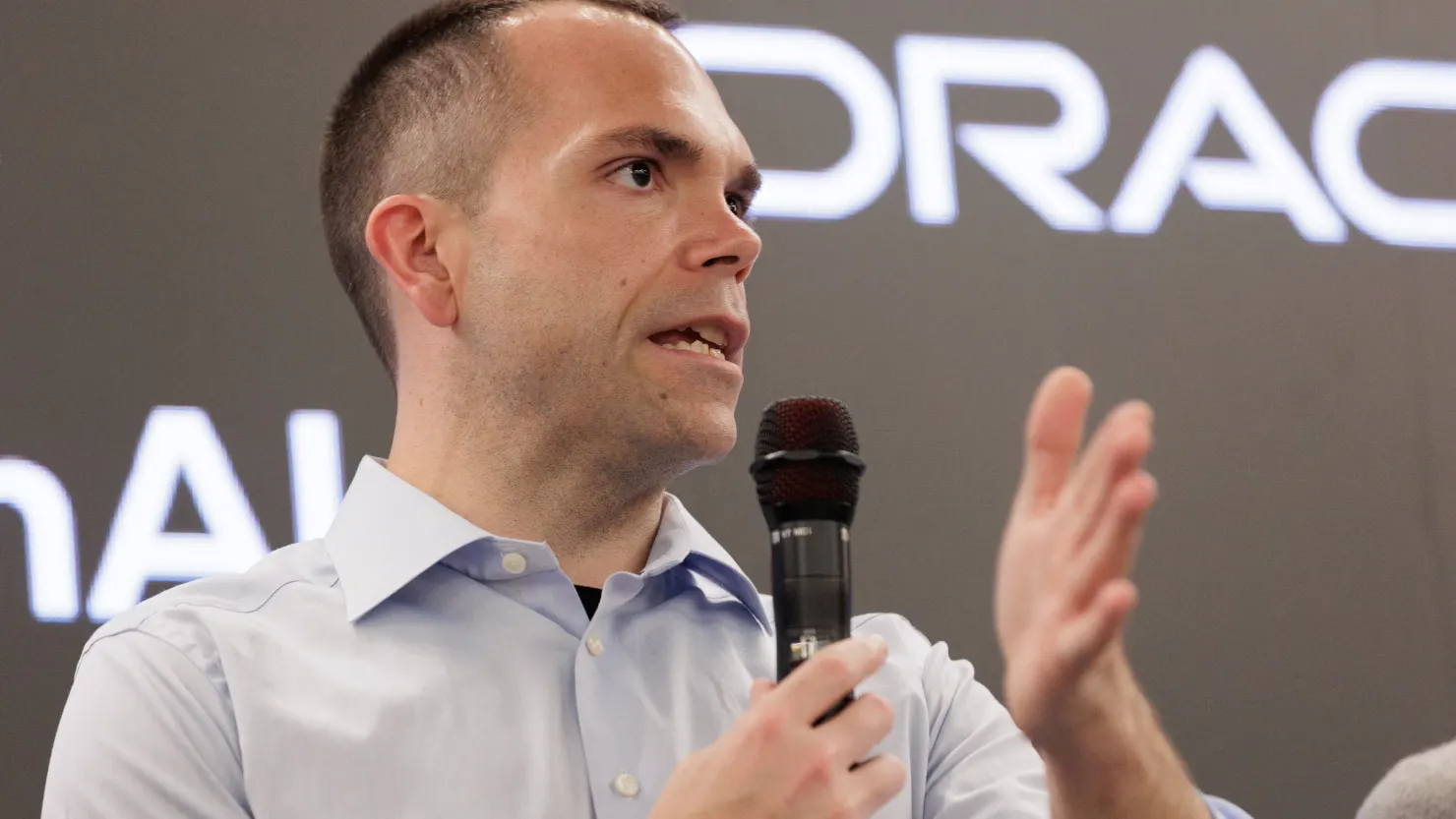
Oracle CEO Clay Magouyrk speaks at a Q&A session following a tour of the OpenAI data center in Abilene, Texas, on Sept. 23, 2025.
Oracle shares are on track for their worst quarter since 2001, plunging 30% as investors question the company’s ability to execute a massive AI infrastructure expansion tied to a landmark $300 billion agreement with OpenAI. The steep decline marks a rocky start for co-CEOs Clay Magouyrk and Mike Sicilia, who took leadership just three months ago amid historic optimism fueled by the OpenAI deal.
A Soaring Backlog, Then a Rapid Selloff
In September, Oracle reported a 359% surge in revenue backlog, largely driven by OpenAI’s commitment—a validation that sent the stock soaring nearly 36% to a record intraday high of $345.72. However, enthusiasm has since turned to skepticism. Following weaker-than-expected quarterly revenue and free cash flow, the stock has fallen 43% to around $197, despite a recent bump from Oracle’s involvement in the TikTok U.S. deal.
Investors are now scrutinizing the enormous capital required to fulfill Oracle’s AI ambitions. New CFO Doug Kehring outlined plans for $50 billion in fiscal 2026 capital expenditures—43% higher than September’s projection and double last year’s level—plus $248 billion in leases to expand cloud capacity. To fund this, Oracle raised $18 billion in a jumbo bond sale, but concerns about its credit rating sustainability have driven up the cost of its credit default swaps.
The Larry Ellison Factor and a "Hypergrowth" Gamble
Some long-term investors, like Zachary Lountzis of Lountzis Asset Management, remain confident, citing founder Larry Ellison’s track record. “You would have gone bankrupt 40 times betting against Larry over the last 50 years,” Lountzis said. However, Oracle’s aggressive pivot from high-margin software to capital-intensive AI infrastructure will pressure profitability. Gross margins, once 77%, are projected to fall to around 49% by 2030, with negative free cash flow expected through 2028.
The company’s growth narrative hinges on becoming a major AI infrastructure player, leveraging Nvidia GPUs and its OpenAI partnership. Yet dependence on a single, cash-intensive partner raises risks. “Will the demand be there from OpenAI?” asked Eric Lynch of Suncoast Equity Management, echoing widespread caution.
Cloud Credibility and Market Perception
Oracle remains a distant contender in cloud infrastructure, trailing Amazon, Microsoft, and Google. Key platforms like Databricks and Snowflake still do not offer their services on Oracle’s cloud, highlighting a credibility gap that only execution can bridge. As Wells Fargo analyst Michael Turrin noted, success with OpenAI could transform Oracle’s market standing: “Customers start to look and say, wow, this company was trusted to build some of the largest training clusters in the world.”
For now, Oracle’s new leadership faces a monumental test: turning a bold, capital-heavy vision into reality while convincing investors that short-term pain will yield long-term dominance in the AI infrastructure race.
Recent
News


Newsletter
Subscribe to our mailing list to get the new updates!

Subscribe our newsletter to stay updated
Most
Reviews
Finance
- Sun, 18 Jan 2026
How to say goodbye to the chief executive, UK style
Business
Markets

Markets

- Sat, 17 Jan 2026
4DMT Announces New Employment Inducement Grants
Markets